Introduction: Most “Websites” Fail Because They Are Built Like Pages — Not Like Systems
Most companies think of a website with backend as:
- A login system
- A dashboard
- A CMS
- A database
- A few forms
- Some APIs
- Some admin controls
But for any founder, director, or CXO who is scaling a business, these are not enough.
A real backend-driven website should enable:
- automation
- workflow management
- approvals
- notifications
- data intelligence
- operational tracking
- customer journeys
- internal coordination
- reporting & insights
- user segmentation
- secure access controls
- integration with external systems
But most development agencies build:
- disjointed modules
- poor architecture
- unscalable code
- patchy integration
- unclear data models
- untested edge cases
- slow backend
- fragile workflows
And the result?
The website works on day 1 — but collapses on day 100.
The problem is not code. The problem is lack of business understanding.
Debox is different because our backend systems are designed by business consultants + technology architects, not just developers.
We build systems that solve real business problems — reliably.
Why Most Backend-Driven Websites Fail (Even When They Are “Custom Built”)
Across India, USA, and UAE, we’ve rebuilt dozens of systems that failed because of predictable reasons.
1. Development Begins Without Understanding Workflows
Most tech teams start coding without clarity on:
- business logic
- operational roles
- data ownership
- exception flows
- departmental coordination
- validation requirements
- reporting needs
- future scale
This leads to:
- missing fields
- broken logic
- patchy backend
- poor admin control
- endless rework
Debox always begins with consulting-led workflow mapping.
2. Poor Data Architecture = Poor Scalability
If the database is not modeled correctly from day one:
- reports become impossible
- dashboards break
- automations fail
- new modules conflict
- user roles get messy
- integrations collapse
Most agencies treat the backend like “storage.”
Debox treats it like the brain of the system.
3. No Understanding of Real-World Operational Behaviour
Your system needs to consider:
- human error
- misuse
- unexpected situations
- backdated entries
- approvals out of order
- skipped steps
- overrides
- multi-role usage
Agencies build “ideal” workflows. Debox builds real-world-proof systems.
4. No Validation, No Controls, No Automation
Most backend websites are manual:
- manual data entry
- manual approvals
- manual checks
- manual communication
- manual reporting
Debox backend systems are engineered for:
- auto-validation
- automatic communication
- automated checks
- automated task flows
- automated escalations
- automated reminders
- automated dashboards
Automation reduces dependency on human behavior.
5. No Reporting, No Analytics, No Intelligence
Without dashboards and insights, a backend system is just a database.
Debox always includes:
- KPI dashboards
- exception reports
- workflow performance
- activity logs
- user-level insights
- operational health indicators
Dashboards create management visibility — essential for scaling.
6. No Scalability or Modularity
Most backend systems are rigid.
Adding new modules feels like:
- dismantling the core
- rewriting old code
- breaking existing logic
- changing database structures
Debox builds modular systems that scale with business growth.
The Debox Way: Backend Systems Driven by Business Intelligence & Workflow Design
Debox builds backend-powered websites using a consulting-first approach aligned with:
- business goals
- workflow mapping
- role-based access
- data structure engineering
- automation logic
- operational insights
- real-world testing
- scalability planning
Here is the Debox methodology.
1. Business Understanding → Before Tech Begins
We deep dive into:
- business model
- customer journeys
- internal team behavior
- manual processes
- bottlenecks
- inefficiencies
- decision-making logic
- compliance needs
- reporting systems
This ensures technology is built for the business, not the other way around.
2. Workflow Engineering (The Core “Consulting Advantage”)
This is where Debox stands apart.
We map:
- step-by-step processes
- who does what
- when
- where
- in what sequence
- with what validations
- what happens when something breaks
- how approvals flow
- how data flows
- how exceptions are handled
This becomes the blueprint for backend design.
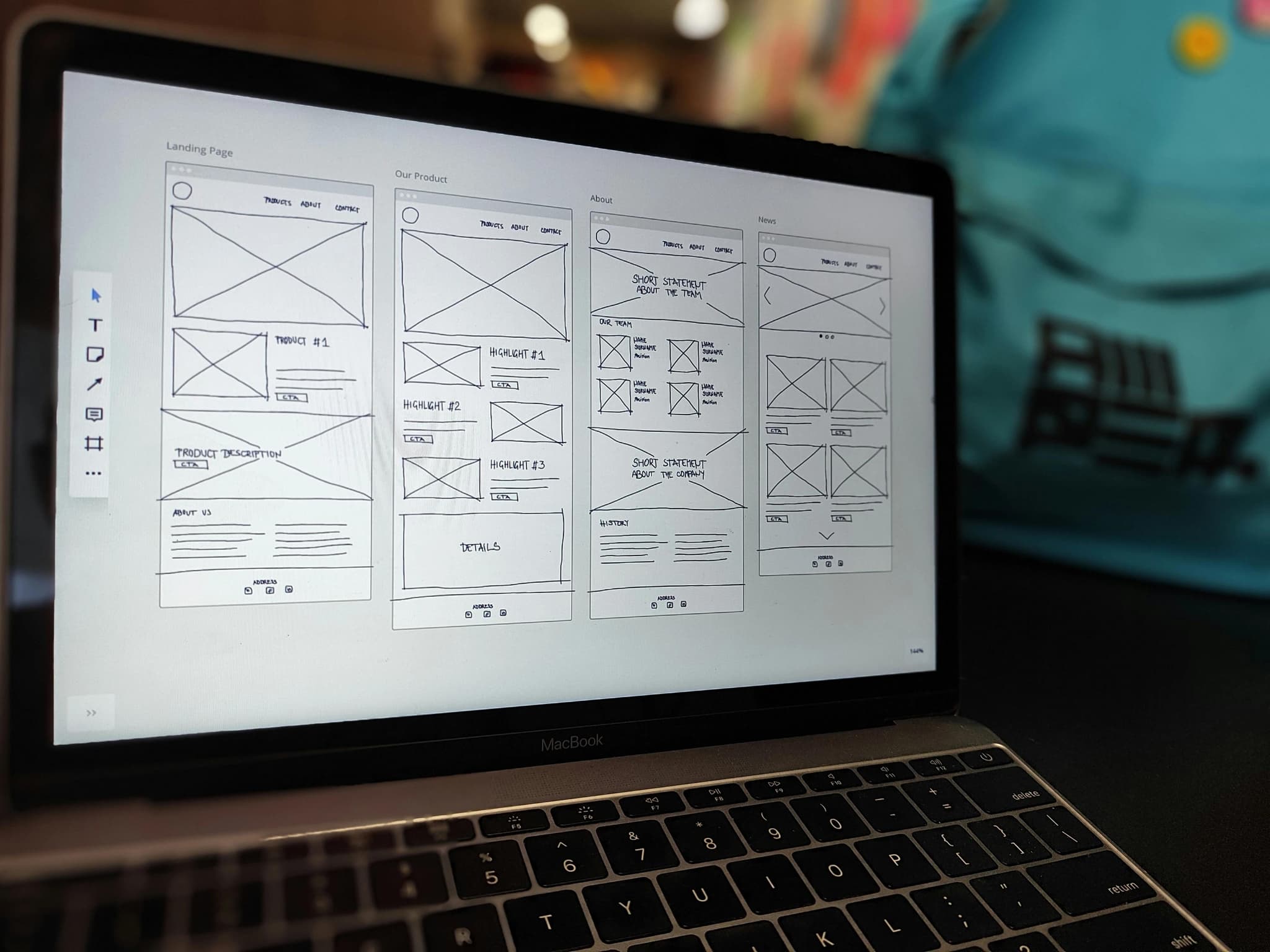
3. Functional Scoping & Wireframing
Before coding, we finalize:
- module structure
- user roles
- backend panels
- data models
- integration logic
- notifications
- validations
- error states
- admin controls
- dashboards
- user journeys
This prevents rework and ensures clarity.
4. Architecture & Tech Stack Design
Debox chooses the right stack based on:
- speed
- security
- scalability
- complexity
- integration needs
- traffic projections
We build clean, modular, scalable backend architectures.
5. Frontend–Backend Synchronization
We ensure:
- instant data accuracy
- smooth flows
- responsive UI
- clear feedback messages
- correct permission controls
- fast API responses
User experience is never compromised.
6. Automations, Validations & Controls
Every backend includes:
- automated checks
- auto communication
- validation rules
- conditional workflows
- event-driven triggers
- escalations
- error handling
- override logic
This reduces manual work and improves accuracy.
7. Reporting, Dashboards & Insights
Debox backend systems include:
- module performance dashboards
- operational analytics
- weak points
- bottleneck insights
- user performance
- exception reports
- data accuracy indicators
Data becomes actionable.
8. Testing in Real-World Conditions
We simulate:
- misuse
- incorrect data entries
- multi-role conflicts
- incomplete flows
- skipped steps
- approval delays
- device variation
- network failures
Because backend systems fail where agencies never test.
9. Implementation & Adoption Support
Debox does:
- on-ground implementation
- team training
- adoption measurement
- refinement
- post-launch iterations
- issue resolution
- performance monitoring
Success = when teams use the system daily.
Case Study 1: Workflow System for a Service Company — India
Problem:
- manual processes
- poor visibility
- high dependency on individuals
- no dashboards
- inconsistent quality
Debox built:
- multi-role backend
- automated approvals
- messaging triggers
- tracking dashboards
- exception reports
Outcome: 60% time saved, clarity improved, team accountability increased.
Case Study 2: Web Platform for a Hospitality Brand — USA
Problem:
- fragmented data
- inconsistent bookings
- poor communication
- manual tracking
Debox created:
- unified backend
- customer management
- automated messages
- reporting
- order-history tracking
Outcome: Operational efficiency improved 3×, customer experience improved significantly.
Conclusion: Custom Backend Websites Should Simplify, Accelerate & Strengthen Your Business
A powerful backend system:
- reduces manual work
- improves team accountability
- automates communication
- centralizes data
- enhances decision-making
- increases speed
- reduces dependency on people
- improves customer experience
- scales smoothly
- strengthens the entire organization
Most systems fail because they’re built like software. Debox systems succeed because they’re built like business engines.
Your backend is not a “development project.” It is your business infrastructure.
Debox builds backend systems that work brilliantly today — and scale effortlessly tomorrow.