Introduction: The OKR Hype vs. The OKR Reality
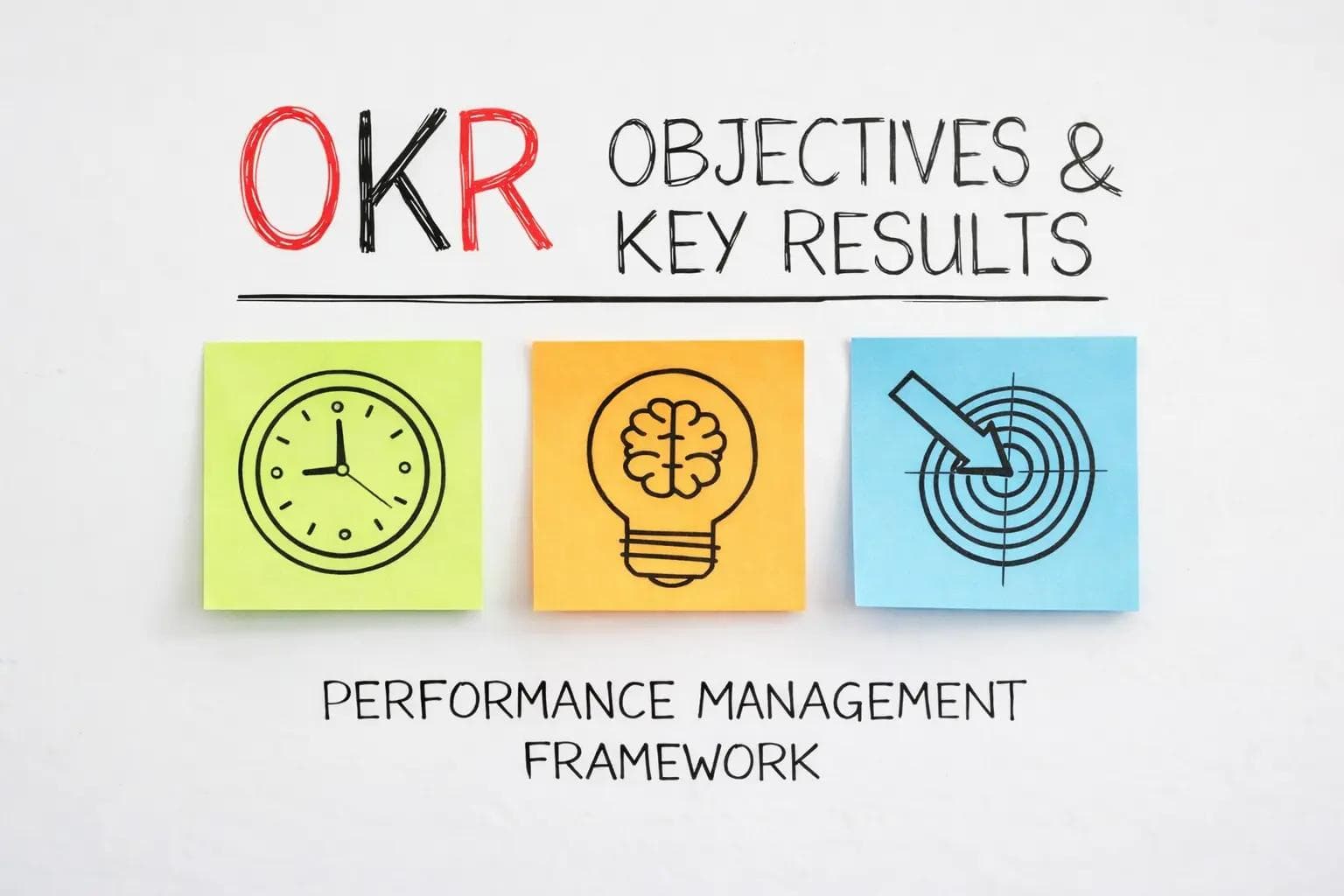
OKRs (Objectives & Key Results) have become one of the most popular management tools in modern organizations. From Google and LinkedIn to fast-scaling startups, OKRs are often seen as the silver bullet for alignment and accountability.
But here's the uncomfortable truth: Most OKR implementations fail.
Not because the framework is flawed — but because organizations deploy it without strategic clarity, cultural readiness, or execution discipline.
Founders and CXOs often tell us:
- "We introduced OKRs… but nothing changed."
- "Teams fill the sheet, but no one refers back to it."
- "We have OKRs, but decisions still feel chaotic."
- "We track the goals, but the outcomes aren't improving."
This guide breaks down why OKRs fail and how Debox builds high-performance OKR systems that actually work — in real teams, real environments, and real business scenarios.
Why Most OKR Implementations Fail
Through 9+ years of consulting, Debox has seen a consistent pattern across industries. OKRs fail because of five predictable reasons:
1. Lack of Strategic Clarity at the Top
OKRs should cascade from ONE clear source: the organisation's strategic priorities.
But most companies do the opposite — they create OKRs department-first, strategy-later.
This leads to:
- Conflicting goals
- Internal misalignment
- No single definition of success
- Too many priorities competing for attention
OKRs cannot fix a lack of strategy. They amplify it.
2. Overcomplicated Structure & Overloaded Goals
The most common OKR mistake: Too many objectives. Too many key results. Too many expectations.
OKRs are not a task list. They are a focus tool.
High-performing organisations typically set:
- 3–5 Company Objectives
- 3–5 Key Results per Objective
- 3–4 Department Objectives
Anything more = noise.
When everything is a priority, nothing is.
3. No Weekly Review Rhythm
OKRs fail silently when:
- They are written at the start of the quarter
- Forgotten by week 3
- And revisited only at the end
A successful OKR system requires cadence, not documentation.
Without weekly or bi-weekly check-ins:
- Accountability disappears
- Data isn't updated
- Leaders can't unblock issues
- Individuals drift into task-mode instead of outcome-mode
Consistency beats intensity.
4. Teams Don't Understand "Outcomes vs Activities"
This is the most powerful shift in OKRs — and the reason most teams struggle.
Tasks = activity
Key Results = outcome
Examples:
- ❌ "Send 3 proposals" → Activity
- ✔️ "Increase proposal acceptance rate to 35%" → Outcome
- ❌ "Make 20 sales calls/day" → Activity
- ✔️ "Achieve ₹1.2 Cr in quarterly bookings" → Outcome
Teams that confuse tasks with outcomes always fail at OKRs.
5. Lack of Leadership Modeling
OKRs thrive only when leaders adopt them first:
- Leaders must review OKRs
- Leaders must coach outcomes
- Leaders must track metrics
- Leaders must set the rhythm
When leadership doesn't engage, teams treat OKRs as "just another HR formality."
OKRs don't fail at the bottom — they fail at the top.
How Debox Builds High-Performance OKR Systems
Unlike traditional consultants who deliver templates and leave, Debox designs, implements, trains, and drives the full OKR system.
Our OKR framework integrates 4 pillars:
1. Strategic Alignment Workshops
We start with leadership. Through structured workshops, we define:
- The organisation's true North Star
- The top 4–6 strategic priorities
- Company-level OKRs
- The "non-negotiables" for the quarter
This ensures the OKR system is anchored in strategy, not documentation.
2. Department & Individual OKR Cascading
Debox consultants work directly with department heads and teams to:
- Translate company OKRs into department OKRs
- Create collaborative cross-functional OKRs
- Define individual outcomes that anchor to team priorities
This ensures every role has measurable ownership.
3. Review Rhythm & Dashboard Setup
OKRs are only effective when tracked.
We set up:
- Weekly check-ins
- Monthly leadership reviews
- Cross-functional syncs
- OKR dashboards (Google Sheets, Zoho People, or custom apps)
Dashboards include:
- Traffic-light scoring
- Confidence ratings
- KR progress trends
- Blocker logs
- Leadership visibility indicators
This builds visibility, accountability, and discipline.
4. Adoption Support & On-Ground Coaching
Debox consultants stay embedded for execution:
- Train teams to write better OKRs
- Coach teams on outcome-thinking
- Facilitate review meetings
- Align leaders to modern performance culture
- Fix KRs that are unrealistic or unclear
- Monitor team maturity and adoption
We don't hand over OKRs — we ensure adoption becomes culture.
What High-Performance OKRs Deliver
Organisations using the Debox OKR system consistently achieve:
✔ 40% Faster Decision Making
Because leaders review metrics weekly — not quarterly.
✔ Higher Cross-Functional Alignment
Teams stop working in silos.
✔ Real Accountability
Every KR has a clear owner and tracking rhythm.
✔ Stronger Performance Culture
Outcome-thinking replaces task-thinking.
✔ Predictable Quarterly Execution
Teams know what must happen, by when, and why.
Case Study: How a 50-Year-Old Manufacturing Firm Transformed Execution
A leading export-focused manufacturing company struggled with:
- Poor inter-department alignment
- Delayed decision-making
- Low KR ownership
- Zero weekly review culture
Debox implemented a full OKR adoption cycle:
- Strategic workshops with 4 directors
- Department-level cascading
- Weekly KR review dashboards
- Monthly leadership tracking
- KR training for 200+ employees
Within 90 days:
- Decision cycles improved by 37%
- KR completion rate reached 82%
- Leadership gained complete execution visibility
- Teams shifted from "task mode" to "impact mode"
The company built a performance culture — not a performance sheet.
Conclusion: OKRs Don't Create Alignment — Leadership Does
OKRs are powerful. But they only work when:
- Strategy is clear
- Leadership is aligned
- Outcomes are defined
- Reviews are consistent
- Adoption is monitored
- Change is driven deliberately
Debox's consulting-led and execution-driven approach makes OKRs practical, cultural, and scalable.
If you want OKRs that work in the real world — not just on paper — the system must be engineered, not copied.
That's where Debox comes in.